
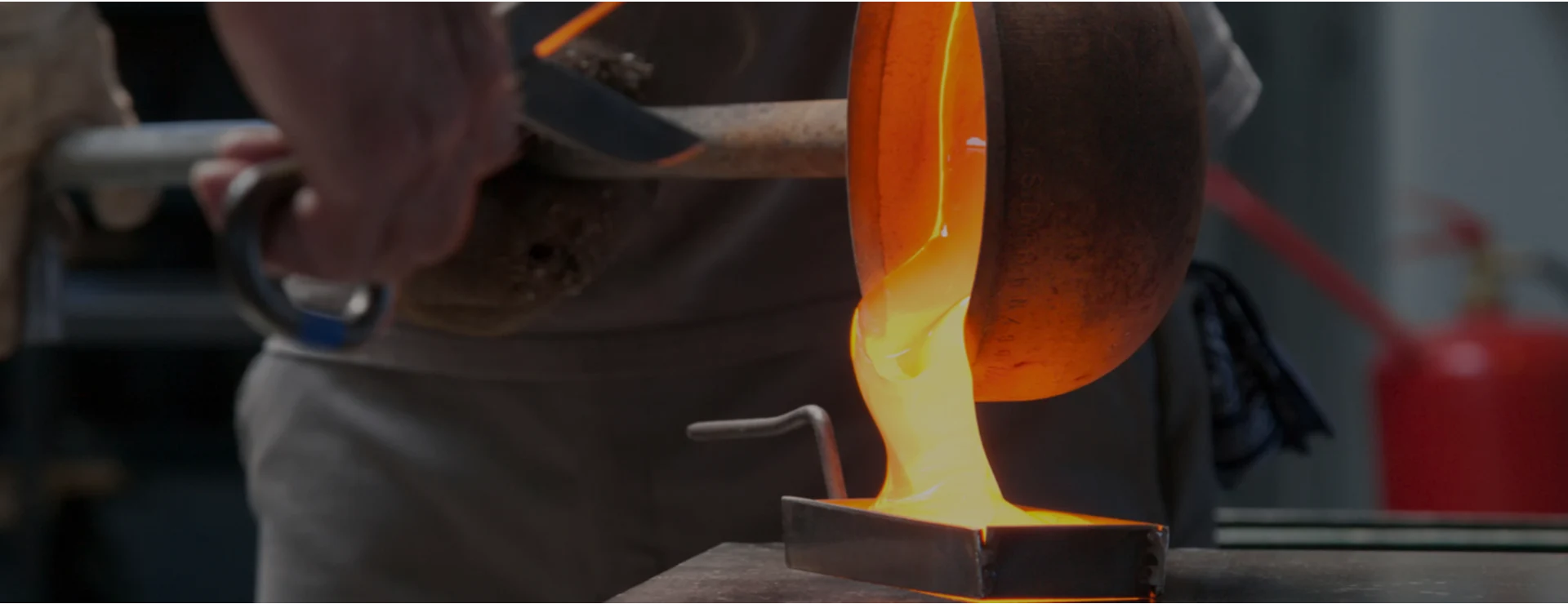
Railway Casting Components
Neocast Alloys manufactures highly durable railway casting components. Delivering high-strength, fatigue-resistant steel castings for locomotives, freight wagons, and track infrastructure globally.
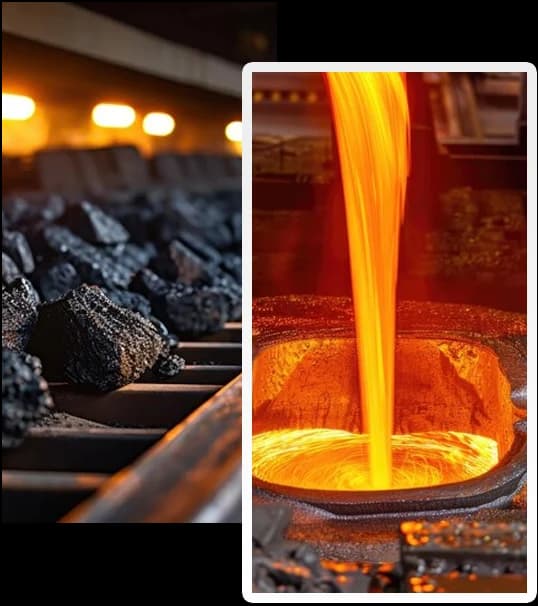
Mission-Critical Rail Castings
The railway industry demands absolute reliability. As a leading OEM casting parts manufacturer, we supply industrial casting components that keep global rail networks moving safely.
Built for the Toughest Environments
Railway components face constant dynamic loading and harsh weather. Our castings are engineered specifically to survive these conditions.
High Fatigue Strength
Castings designed to withstand millions of cycles of extreme vibration and dynamic loading.
Wear Resistance
Specialized alloy and manganese steels formulated for high-friction railway applications.
Impact Tested
Rigorous Charpy V-notch impact testing to ensure structural integrity in all weather conditions.
Dimensional Accuracy
Investment casting provides near-net-shape components, reducing costly post-machining.
Frequently Asked Questions
Q.What type of railway casting components do you make?
We manufacture a variety of railway components including bogie suspension brackets, brake system hardware, coupler parts, axle box housings, and heavy-duty track fastening systems.
Q.Why use investment casting for railway parts?
While traditional sand casting is used for massive rail parts, investment casting is ideal for smaller, highly precise railway components (like brake and suspension linkages) where tight tolerances, excellent surface finish, and high structural integrity are required without extensive machining.
Q.What materials are used for railway castings?
We typically use high-strength Carbon Steel, low-alloy steels (for excellent fatigue and impact resistance), and specialized wear-resistant Manganese steel for track and switching components.
Q.Do your railway castings undergo impact testing?
Yes, railway components are subjected to immense dynamic loads. We conduct rigorous mechanical testing including Charpy V-notch impact tests, tensile tests, and 100% NDT to ensure they will not fail under vibration.
Last updated: May 2026